- FACE |
- EYES |
- SKIN |
- WHAT'S NEW?
Disclosure: As an associate of Amazon and others, I may earn commission on certain purchases.

Dyshydrotic Eczema - Dishydrotic Eczema
what is Dyshydrosis?
What is dyshydrotic eczema (or as some people spell it – dishydrortic eczema or even dyshydrosis)?
Well, there seems to be a lot of confusion about this condition and as scary as it may sound this is a pretty common type of eczema.
This type of eczema usually affects the soles of the feet and the palm of the hands - showing up as small red fluid filled blisters.
In a few cases, dishydrotic eczema could also appear on the inside of the toes and fingers.
The cause of this itchy type of eczema is not exactly known – but doctors suspect that it usually appears in those prone to other types of eczema – like atopic eczema, or those prone to allergies.
Even bacterial and fungal infections may set off an episode. Some doctors noted that it also appears on the fingers of those whose hands are exposed to water often.
While this skin condition is found in both men and women, it seems more common in older people and in those who spend a lot of time in warmer, humid climates.
It is also suspected that those who are under extreme stress or are allergic to certain compounds like nickel, cobalt, balsam, or even costume jewelry might suffer symptoms of dishydrotic eczema.
Your doctor can perform a patch test if he suspects it's due to an allergic reaction.
A Cure/Treatment for Dyshydrotic/Dishydrotic Eczema
Since there is no known cause for this skin condition, finding a cure or even a treatment is difficult.
And, to make matters worse, the symptoms (which vary greatly from person to person) may show up only for a week or two and then disappear on their own………..only to re-appear again.
Some people finding relief from intense itching, scratching, and dry blistering skin by keeping it soft and moisturized.
This can include soaking the area constantly applying a thick emollient - even Vaseline can help.
For more serious conditions, doctors may prescribed topical steroids.
They can help reduce severe itching and inflammation - however - this solution is temporary and should not be use longer than 2-3 weeks.
Some doctors may prescribe systemic steroids - either through injections or pills.
While this is also not a long term solution due to side effects, it does help to clear the condition quite quickly.
Photochemotherapy (PUVA) is also used for more serious conditions. PUVA consists of two different treatments - the application of Psoralens while exposing the area to ultraviolet radiation. Sort of like using a suntan booth.
Most people need to use this treatment at least two-three times a week.
Psoralens come in tablet form or topical form. Patients either bath in the medication or take the tablet a few hours before exposing themselves to the UVA fluorescent bulbs.
Also, antibiotics such as flucloxacillin might be prescribed to help prevent infection.
However, it won't help much to reduce annoying symptoms.
Regardless of what treatment you choose, it's also a good idea to use gentle calming skin products - like organic cleanser and moisturizes daily to prevent skin damage and reduce symptoms.
Consider using dermatitis formulated products when bathing or moisturizing.
These types of products are suitable for all dermatological disorders because they won't irritate or over dry the skin.
They can also help reduce itching and eruptions by calming and hydrating the skin.
Have any experience with dyshidrotic eczema? Please share your thoughts with us...

Addtional Reading
What Is Eczema - Is it eczema, psoriasis or just acne? Click here to learn more.
Dermatitis Pictures - find photos of eczema and other contact dermatitis pictures.
Sources:
Dermentz.org
Return from Dyshydrotic Eczema to Tips For Healthy Skin
Return From Dyshydrotic Eczema To Wrinkle Free Skin Tips Home



Popular Articles


Watch how I reduced crepey skin under my eyes....
As an Amazon Associate I earn from qualifying purchases. Other links on this site may lead to other companies I'm associated with.

Recent Articles

-
Easy Eye Solutions - Under Eye Lines & Crepey Skin. See My Results!
Jun 29, 21 04:20 PM
Easy Eye Solutions Instant Eye Tuck Serum. Free Shipping & Sample Sizes. See before and after video -
Crepey Skin Remedies - Natural Cure for Face, Eyes and Neck
Nov 04, 20 02:53 PM
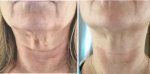 Crepey Skin Remedies - Crepey skin can be reversed naturally at home. See before & after pictures of my results.


